
A Fond Farewell to an Icon
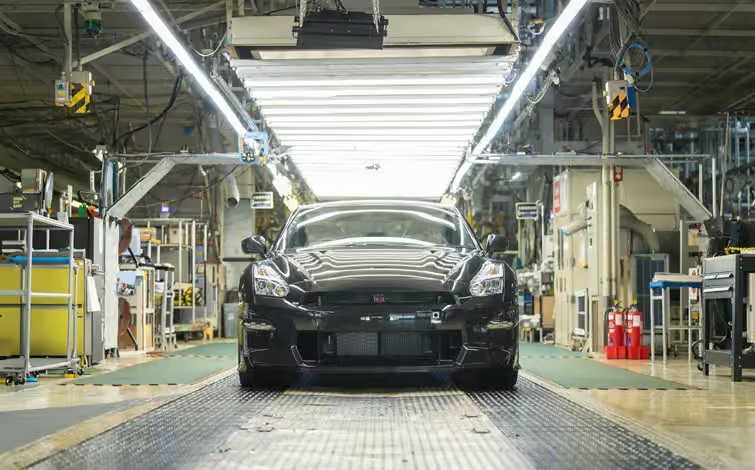
The day has truly arrived. After an absolutely epic eighteen year run, one that saw it redefine performance and captivate enthusiasts worldwide, the Nissan R35 GT-R has officially rolled off the production line for the last time in its final sales region, Japan. Nissan confirmed the assembly has concluded, marking the end of an era for a car that truly earned its 'Godzilla' moniker. The very idea of an icon fading from production stirs a potent mix of nostalgia and anticipation within every automotive enthusiast. This is more than just a car ending its manufacturing cycle, it is a turning point, a powerful symbol of an industry in profound transition.
An Unprecedented Run
Eighteen years, that is an eternity in the automotive world. Many cars receive a facelift or a generational overhaul every few years, but the R35's incredible, nearly two decade production run truly speaks volumes about the robust foundation Nissan laid back in 2007. It also quietly highlights the sheer difficulty, perhaps the immense cost, of completely replacing such a complex, iconic machine. Approximately 48,000 units found homes over its lifecycle, a testament to its enduring appeal and the passionate community it built. The final R35 to roll off the Tochigi plant was a stunning Premium edition T-Spec, drenched in mesmerizing Midnight Purple paint, destined for a lucky customer in Japan. What an absolutely spectacular way to conclude, with a bang of color and exclusivity!
The 'Multi Performance' Marvel
Nissan’s planning and engineering team set out to imbue the R35 GT-R with a 'Multi Performance' marvel philosophy. This car was a technological sledgehammer, bringing supercar challenging performance within reach of a wider audience. It democratized speed, proving you did not need a six figure badge to dominate track days or thrill on spirited drives. This was its true genius. For many of us, the R35 represented the ultimate attainable dream machine, a testament to engineering prowess that defied traditional automotive hierarchy. It tore down preconceived notions about what a Japanese sports car could achieve, forcing the established order to pay attention.
Looking Ahead: The Future of Performance
The departure of the R35 is more than a production halt, it is a profound reflection of current industry trends. The automotive landscape is shifting dramatically towards electrification and sustainable mobility. Developing pure internal combustion engine performance vehicles faces increasing regulatory hurdles and colossal research and development costs. The R35’s long life cycle suggests these challenges were already at play, making a direct successor in the same vein increasingly improbable. The GT-R's final curtain call prompts us to consider what comes next for performance. Will it be entirely electric? Will hybrid power become the new standard? The essence of driving emotion must adapt, it must not vanish.
The Enduring Legacy of Godzilla
- Advertisement -
For enthusiasts, the R35 GT-R's legacy is immense. It taught us that precision engineering can tame colossal power, creating a driving experience both exhilarating and surprisingly manageable. Its market implications are clear, the R35 will ascend to collector status, its value likely appreciating as fewer pristine examples remain. It leaves a void, but also a challenge. Future performance cars, regardless of their propulsion, must strive to evoke the same visceral connection, the same sense of audacious capability, that the R35 so effortlessly delivered. We should not fear this evolution. We must embrace it, demanding that the spirit of 'Godzilla' lives on, transformed but undimmed, in the next generation of automotive legends. The roar may quiet, but the legend roars on in our collective memory and our hopeful anticipation for what visionary engineering will create next.
Images:

Welcome to TrailandStreet.com, your premier destination for automotive enthusiasts, where we explore the latest trends, technologies, and stories from the world of cars and driving.
Sponsored Content

- Sponsored Ad -


- Advertisement -
- Advertisement -